Ritual
Luma JournalA softer way to check in with yourself: A practical reflection for a private routine — August 2026
A private routine can begin with a quieter question: what would feel supportive, clear, and comfortably yours today?
By milburn laycie Im·
01 / the note
Quick answer
A softer check-in is not a test, a performance, or a demand to feel a particular way. It is a short pause in which an adult notices what feels welcome, what feels neutral, and what would make a private routine feel more comfortable. The useful part is not finding a perfect answer. It is making room for an honest one. You can begin with a few minutes, one practical question, and permission to stop whenever you want. For some people, a check-in might lead to a small act of care, such as putting away a device, taking a shower, reading product information, or choosing a more private time of day. For others, it may simply clarify that today is not the day to add anything new. Both outcomes are valid. A calm routine is built from consent, pace, and practical information rather than pressure.
02 / the note
Key takeaways
1. A personal check-in works best when it is brief, private, and free from a required outcome. 2. Boundaries are useful information, not obstacles to work around. 3. Product research should support a decision, not rush it; rely on documented features and care guidance. 4. A routine can be paused, adjusted, or left unfinished without becoming a failure.
03 / the note
Start with a question that leaves room to answer
Many routines become difficult before they begin because the question is too demanding. Asking whether you are doing enough, feeling enough, or following the right routine turns a private moment into an exam. A softer opening question is more practical: What would make the next ten minutes feel easier? It may point toward rest, information, privacy, or no action at all. The point is to notice rather than to judge. This approach matters because adults have different schedules, living situations, energy levels, and comfort boundaries. There is no universal rhythm that makes a personal-wellness routine meaningful. A person who has a quiet evening may want to explore a new product page. Someone else may only have a small amount of time and prefer to make a note of a question for later. A routine can be real even when it is short. Try beginning with language that does not force a decision. You might ask, “What feels supportive right now?” or “What information would help me decide later?” These questions make it easier to separate curiosity from obligation. If the answer is “I do not know,” that is still useful information. It can be a sign to slow down, reduce choices, or return when the setting feels more private.
04 / the note
Make privacy part of the plan, not an afterthought
Privacy is often described as a final detail, something to solve after a decision has already been made. In practice, it is part of whether a routine feels workable in the first place. Privacy can mean having enough time without interruption, keeping personal information limited to what is necessary, choosing a device-free moment, or knowing where an item will be stored. None of these choices require an explanation to anyone else. A simple environment check can lower the pressure. Notice whether the room feels comfortable, whether you expect to be interrupted, and whether you have enough time to stop without rushing. If the answer is no, it can be kinder to postpone the routine than to force it into an unsuitable moment. Delaying is not the same as avoiding; it can be a way to protect your comfort. Privacy also applies when you are researching a purchase. Use sources that clearly state what a product is, how it is intended to be cared for, and what support is available if you have a practical question. Avoid treating vague promises as facts. A store’s product page can help you compare documented controls, materials, charging information, or care instructions, but it should not replace your own judgment about whether a product belongs in your life.
05 / the note
Let boundaries do their useful work
A boundary is a piece of information about what feels acceptable, safe enough, or worth considering at a given moment. It is not a challenge to overcome. People sometimes assume that a good routine requires them to be more spontaneous, more adventurous, or more decisive than they actually feel. That assumption creates unnecessary friction. A sustainable routine takes a person’s current comfort level seriously. You can make boundaries concrete. Perhaps you want to read about a product before buying anything. Perhaps you only want to make decisions when you are not tired. Perhaps you want a clear return or support policy before placing an order. Perhaps you prefer to keep your routine private from the people you live with. Each preference narrows the choices in a helpful way. It turns an abstract desire for confidence into a practical standard. Boundaries can change over time, and that does not make earlier choices wrong. A person can be curious one week and uninterested the next. They can prefer a minimal routine for months and later decide to learn more. When a boundary changes, the task is not to justify it. The task is to notice it and choose the next step that respects it.
06 / the note
Use information to reduce noise, not to create urgency
There is a difference between learning enough to make a considered choice and consuming so much advice that every choice becomes confusing. A good product page should help with the first task. It should describe a product in plain language, identify the documented features, and make care information easy to find. It should not make you feel that you must act immediately to be informed. If you are considering the Love Bunny Suction Vibrator EVO-062, start with the information the product page actually provides. Read the stated feature list, controls, charging details, and care guidance. Consider whether the format, controls, and maintenance expectations fit your practical preferences. Do not assume capabilities that are not documented, and do not let a product name or a polished image answer questions that the specifications do not answer. A helpful comparison method is to write down three criteria before browsing. They might be privacy, ease of care, and clear controls. Then review the relevant information only. If a page does not answer one of your criteria, pause and seek clarification rather than filling in the gap with an assumption. This approach is useful across locations and shopping contexts because it depends on clear information, not on a particular retailer, legal system, or trend.
07 / the note
Build a routine from small, reversible choices
A routine becomes less intimidating when its steps are easy to revise. You do not need to commit to a long ritual, a purchase, or a new habit in order to check in with yourself. You can choose one reversible action: set aside five minutes, read a product page, make a private list, or tidy a storage space. Reversible choices give you information without asking you to become a different person overnight. Consider a three-part rhythm. First, pause long enough to notice your energy and privacy. Second, choose one action that fits those conditions. Third, check whether the action made the moment feel clearer or more complicated. If it made things more complicated, the next step may be to simplify. This might mean fewer options, more time, or a clearer question. This rhythm also protects against the idea that a routine must be repeated exactly to count. Life changes. Travel, work, relationships, caregiving, illness, and ordinary tiredness can all change what feels realistic. A personal routine should be allowed to adapt. Consistency can mean returning to your own values, not repeating the same activity on the same schedule.
08 / the note
Treat care and storage as part of comfort
Practical aftercare is not separate from a private routine. Knowing how an item will be cleaned, dried, charged, and stored can influence whether it feels easy to return to. Before purchasing or using any personal-wellness item, review the manufacturer’s care guidance and keep it available. If instructions are unclear, ask the seller or manufacturer for clarification rather than guessing. Storage can be simple. The goal is not to create a special display or a complicated system. It is to choose a place that is clean, appropriate for the item, and private enough for you. A small pouch, a designated drawer, or another suitable location can reduce the mental work of deciding what to do afterward. When practical details are already considered, the routine has fewer chances to feel rushed. Care is also a useful reminder that products are tools, not measures of success. A well-designed routine includes the option to put something away, return to it later, or decide it is not a fit. Looking after an item responsibly does not require you to use it on a schedule. It simply keeps future choices open.
09 / the note
Notice the difference between curiosity and pressure
Curiosity tends to feel open. It asks what you might learn, what might suit you, or what information is still missing. Pressure tends to feel narrow. It tells you that you should decide now, keep up with someone else, or prove that your routine is valid. Learning to tell the difference is one of the most useful parts of a softer check-in. When pressure appears, it can help to name the source. Is it a social expectation, an advertising message, a comparison with someone else, or your own idea of what a routine should look like? You do not need to solve the source immediately. Naming it creates a little distance. From that distance, you can return to your actual question: what would feel clear and kind today? Curiosity can coexist with caution. You can be interested in a product, a new routine, or a different way of caring for yourself while still deciding to wait. Waiting is not the opposite of interest. Often, it is what allows interest to become more informed and more genuinely yours.
010 / the note
Create a gentle review habit
A check-in becomes more useful when it includes a quiet review. This does not have to be a journal entry or a detailed analysis. At the end of a private routine, ask one or two simple questions: Did this feel supportive? Is there anything I would change next time? The answer might be practical, such as choosing a different time of day. It might be informational, such as reading care guidance before making a decision. Reviewing the experience helps you see patterns without turning them into rules. You may notice that you prefer less noise, more time, clearer product information, or fewer choices. Those observations can guide future decisions, including whether to browse, buy, pause, or ask for support. They are personal signals, not universal advice. The most sustainable private routines make room for ordinary days. They do not require a special mood, a perfectly organized space, or a dramatic transformation. They allow for a brief pause, an honest answer, and a next step that is small enough to feel possible.
011 / the note
Frequently asked questions
### How long should a personal check-in take? There is no required length. A check-in can take two minutes or an entire quiet evening. The useful measure is whether you had enough time to notice your comfort level and make a choice without rushing. If time is limited, a short question and a note for later can be enough. ### What if I am not sure whether I want to buy a product? Uncertainty is a reasonable reason to wait. Review documented features, care guidance, and support information, then compare them with your own practical criteria. If the information does not make the choice clearer, do not fill the gap with assumptions. You can return when you have a more specific question or simply decide that no purchase is needed. ### Can a private routine be meaningful if I do not follow it regularly? Yes. A routine does not need a rigid frequency to be meaningful. It can be a flexible practice of noticing what feels supportive and making choices that respect your boundaries. Returning to that intention when it suits you can be more sustainable than following a schedule that creates pressure.
012 / the note
A considered next step
Choose one small action that protects your pace. You might set aside a private ten-minute window, write down the one product question you still have, or decide that today is for information rather than action. If you explore the Love Bunny Suction Vibrator EVO-062, use the product page to review its documented details and care guidance, then let your own boundaries decide whether it is a useful fit. A softer routine begins when your next step feels clear enough to be yours. Keep the decision small enough to change: you can read, pause, ask a practical support question, or return another day. That flexibility is not hesitation to correct. It is a respectful way to learn what actually fits your life.
“Choose what belongs in your routine, at your own pace.”
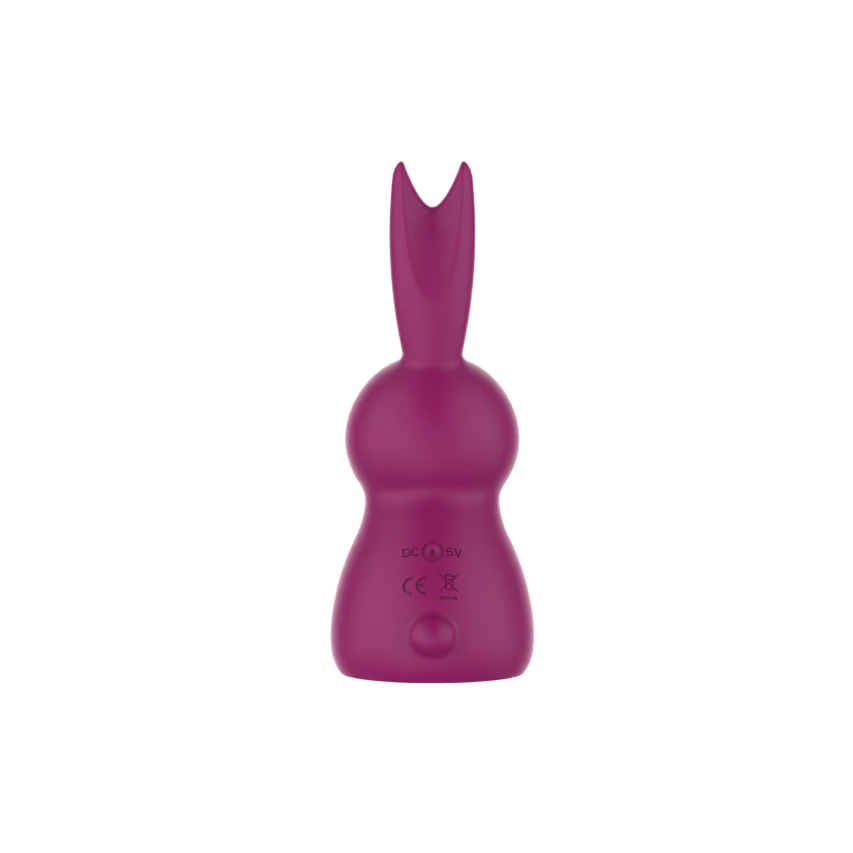
Related product
Love Bunny Suction Vibrator EVO-062
A rechargeable bunny-profile wellness device with separate suction and vibration controls.
Read product details