Ritual
Luma JournalChoosing a ritual that does not ask for perfection: A practical reflection for a private routine — August 2026
A useful private ritual is not a standard to meet. It is a flexible pause that makes room for comfort, curiosity, and your own boundaries.
By milburn laycie Im·
01 / the note
Quick answer
A ritual that does not ask for perfection is one you can begin, pause, change, or skip without feeling that you have failed. It is built around what feels possible today, not around an ideal version of your routine. For an adult private-wellness practice, that can mean choosing a quiet moment, checking in with your comfort level, reading clear product information, or simply deciding that rest is the most appropriate next step. The purpose is not to produce a result. It is to create a little more space for your own judgment. Perfection often arrives disguised as a helpful rule: do it regularly, do it properly, know exactly what you want, or make the most of every free moment. A softer ritual replaces those rules with practical choices. It asks what would feel supportive, how much time is available, and whether the setting feels private enough. The answers can vary. That flexibility is not a weakness in the ritual; it is what makes the ritual sustainable.
02 / the note
Key takeaways
1. A private ritual can be brief, unfinished, and still meaningful. 2. Small choices are easier to repeat because they can adapt to real life. 3. Boundaries and pauses are part of the practice, not evidence that it is not working. 4. Product information should help you decide whether a tool fits your routine, never pressure you to create one.
03 / the note
Let the ritual fit the day you actually have
It is easy to imagine a routine as something that happens in ideal conditions: plenty of time, a quiet room, clear energy, and no interruptions. Real life is rarely arranged that way. Work, shared spaces, travel, tiredness, and changing responsibilities all affect what feels possible. A ritual that only works on perfect days will not have many chances to become useful. Start with the day you actually have. You may have five minutes, or you may have an unhurried evening. You may feel curious, neutral, distracted, or not interested at all. None of these states disqualifies you from a personal check-in. They simply shape the next step. A short pause can be enough to notice whether you want information, rest, privacy, or a future reminder. This approach keeps the ritual from becoming another obligation. Instead of asking how to maintain an ideal schedule, ask what would make this moment a little easier. The answer might be to put your phone aside, make a cup of tea, open a product page, or decide to leave the question for another day. The ritual succeeds when it gives you a clearer sense of what you need, not when it looks impressive from the outside.
04 / the note
Choose a purpose that is smaller than a goal
Goals can be useful, but they can also make private routines feel like projects that must be completed. A purpose is lighter. It gives a moment direction without requiring a measurable outcome. You might choose the purpose of slowing down, gathering information, or making your space feel more comfortable. Each purpose can guide a small action without turning that action into a test. For example, the purpose of learning may lead you to review the documented controls, materials, charging information, and care guidance for a product. The purpose of comfort may lead you to make a more private space or to decide that the timing is not right. The purpose of clarity may lead you to write down one question for customer support. These are all legitimate forms of progress because they reduce uncertainty in ways that respect your pace. A smaller purpose also makes it easier to stop. If you set out to understand one detail, you do not have to make a purchase after learning it. If you set out to create five quiet minutes, you do not need to turn those minutes into an event. A ritual can be complete when it has served its purpose, even if nothing visible has changed.
05 / the note
Build in an easy exit
An easy exit is one of the most reassuring parts of a private ritual. It means you can stop without explaining why, without cleaning up a complicated plan, and without deciding whether you will return tomorrow. When a routine has an easy exit, beginning feels less risky because you know you are not locking yourself into anything. You can create an easy exit in practical ways. Choose an activity that can be paused, such as reading a product page or making a private list. Keep the next step simple. Avoid giving yourself a long list of tasks that must be completed in one sitting. If you are exploring a product, let the first step be information gathering rather than a commitment to buy. The emotional side of an easy exit matters too. Remind yourself that stopping is information. You may be tired, distracted, uncertain, or simply finished for now. Treating that signal with respect makes it easier to return later if you want to. A ritual that allows an exit is more likely to feel like a choice rather than a demand.
06 / the note
Let boundaries shape the format
Boundaries can help you design a ritual that feels realistic. You may prefer a private time of day, a limited amount of browsing, or a clear rule about not making decisions while rushed. You may want to keep your routine separate from shared spaces or decide that only documented product information is enough for you to consider an option. These are not restrictions that make the ritual smaller. They are instructions for making it yours. A boundary is especially useful when external messages create noise. Advertisements, social comparisons, and broad advice can all imply that there is a correct way to approach personal wellness. There is not. The relevant question is whether the activity, information, or product meets your own standards for comfort and clarity. If it does not, a boundary gives you a calm reason to step back. Boundaries may change, and that is normal. What feels private, manageable, or interesting can shift with circumstances. A flexible ritual does not require you to defend the earlier version. It lets you update the format when your needs change, keeping the practice responsive rather than rigid.
07 / the note
Keep product research grounded in facts
Products can be part of a ritual, but they should not define it. Before adding any item to a routine, review the information that is actually documented. For the Rechargeable Silicone Wellness Massager A0158, focus on the details listed by the product page: its stated features, controls, charging information, and care guidance. Consider whether those facts fit the practical shape of your routine. Avoid treating a product name, image, or general promise as a full answer. If an important detail is unclear, look for the manufacturer’s guidance or ask support a concise question. A careful pause is more useful than an assumption. Product research should make a decision clearer, not make you feel that you must decide before you are ready. It can help to choose three criteria in advance. You might care about clear controls, manageable care, and private storage. Another person may value a different set of details. The criteria do not need to be complicated. Their role is to help you compare information with your own needs, so that a product remains a possible tool rather than a standard you are expected to meet.
08 / the note
Make the environment kind, not elaborate
A supportive environment does not have to look a particular way. It can be as simple as a closed door, a charged phone left in another room, a clean surface, or a few minutes without multitasking. The purpose is not to create a scene. It is to reduce the practical distractions that make a personal moment feel hurried. Notice what makes you feel more at ease. Some people prefer quiet. Others prefer music, a shower, a short walk, or a routine that begins with reading. Your environment can be functional rather than aesthetic. If you have little privacy or little time, it may be enough to prepare for a future moment by identifying what would help. Preparation is part of a gentle ritual too. The most useful environmental change is often the smallest one. You may move one item, close one tab, or set a short timer. Small actions lower the barrier to beginning and make it less likely that you will expect a perfect setting before you are allowed to care for yourself.
09 / the note
Review without grading yourself
After a private ritual, take a moment to notice what happened without turning it into a score. Did the activity make the moment feel clearer? Was the timing comfortable? Did you learn something useful? These questions are different from asking whether you did it well. They are practical observations that can guide the next time. A review can be one sentence in a private note or simply a thought before you move on. You may notice that you prefer fewer steps, more information, or a different time of day. You may discover that an item of interest needs more research. You may decide that the ritual was not needed today. Each answer can be useful because it is based on your own experience rather than on an external standard. Over time, this kind of review helps a ritual become more personal. It identifies what supports your comfort and what creates unnecessary pressure. Instead of trying to perfect the routine, you refine it gently. The goal is not a fixed formula. The goal is a practice that stays available when you want it.
010 / the note
Remember that interest can be quiet
Curiosity is often described as excitement, but it can also be quiet and careful. You can be interested in a product category, a new routine, or a different way of checking in with yourself without needing to act quickly. Quiet interest may look like reading, comparing, asking one question, or returning to the subject after a pause. This matters because urgency can make interest feel less trustworthy. When every message suggests that a decision must happen now, it becomes hard to tell what you genuinely want. A softer ritual restores that distinction. It gives you permission to be curious and cautious at the same time. There is no need to make a private choice visible or decisive before it feels ready. Interest can remain a question for as long as you need. That patience can lead to more informed, comfortable choices than a ritual that treats every moment of curiosity as a demand for action.
011 / the note
Frequently asked questions
### What if I cannot follow the same ritual every week? That is completely fine. A useful ritual adapts to the time, privacy, and energy you have. You can return to the same intention in different ways, such as taking a brief pause, reviewing product information, or deciding to rest. Consistency can mean respecting your values rather than repeating an identical sequence. ### How can I tell whether a ritual is becoming another obligation? Notice whether it creates pressure, guilt, or a sense that you must complete it in a specific way. If it does, simplify the purpose and add an easier exit. A private ritual should support your judgment, not make you feel that you are being graded. ### Is it okay to research a product without planning to buy it? Yes. Reading documented product details can be a practical way to learn what matters to you. Research does not commit you to a purchase. It can help you clarify your criteria, identify unanswered questions, or decide that an item is not a fit.
012 / the note
A considered next step
Choose one purpose for a private moment this week: clarity, comfort, information, or rest. Keep the action small enough to pause. If you are considering the Rechargeable Silicone Wellness Massager A0158, review the product page for its documented controls, care guidance, and charging information before deciding whether it belongs in your routine. Let the answer be flexible. A ritual that respects your pace is already doing useful work. You can also keep a short private record of what made the moment easier, such as more time, a clearer question, or fewer choices. That record is not a performance log. It is a small source of practical evidence about your own preferences, and it can make the next check-in feel less demanding. If a written note does not appeal to you, a mental summary is enough: more privacy helped, one question clarified the decision, or a pause was the right choice. The value comes from noticing the pattern, not from recording it perfectly or keeping a streak. Let the review remain optional, brief, and kind.
“Choose what belongs in your routine, at your own pace.”
Related product
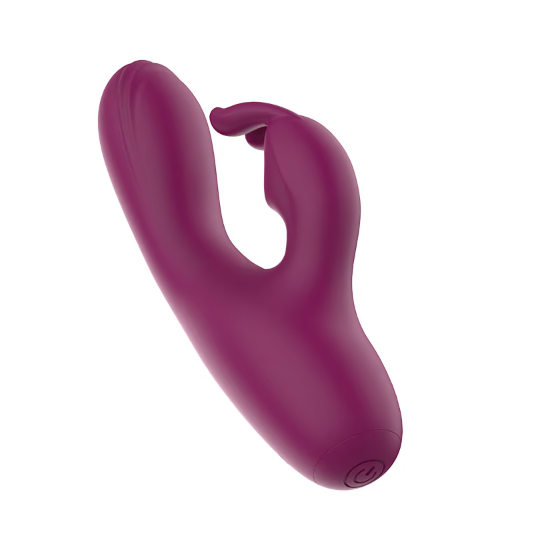
Rechargeable Silicone Wellness Massager A0158
A compact dual-motor wellness massager with soft-touch silicone and seven varied patterns.
Read product details