Product Literacy
Luma JournalChoosing between features without chasing more: A clear, non-technical guide — September 2026
More options do not automatically create a better fit. A considered choice begins with the features that make your own routine clearer and easier.
By milburn laycie Im·
01 / the note
Quick answer
Choosing between features does not require finding the option with the longest list. It requires identifying which documented details would make an item easier to understand, care for, store, and use within your own routine. More features can be useful when they answer a real practical need. They can also add decision fatigue when they are compared only because they are available. A clear choice begins by deciding what you want the product information to help you understand. For adult personal-wellness shopping, feature comparisons should remain grounded in the details a product page actually documents. Look for stated controls, materials, charging information, care guidance, and support information. Do not assume that more settings, a different name, or a polished image will automatically make an item a better fit. A feature is useful only when it connects to something you value in daily life.
02 / the note
Key takeaways
1. More features are not always more useful; compare only details that affect your practical routine. 2. Three clear criteria are more helpful than a long scorecard. 3. Documented controls, care, charging, materials, and support information deserve more weight than vague promises. 4. A decision to pause or choose less complexity can be a considered outcome.
03 / the note
Begin with the decision, not the feature list
A feature list can be distracting when it arrives before you know what you need to decide. It is easy to scan a page, notice a new term, and assume that the term must matter because it is prominently displayed. A more useful starting point is to ask a simple question: what would make this product fit more comfortably into my life? The answer might concern privacy, ease of care, controls that feel understandable, or an item that is easy to store. Once you have a practical question, features become easier to interpret. A stated charging method matters if you want to know what preparation or storage may involve. A clearly explained control matters if you prefer to understand an item without a long learning process. Care instructions matter if you want to know whether maintenance fits your time and preferences. These are not minor details. They shape whether the product feels manageable after the initial purchase decision. This approach also makes room for the answer that no current option is right. If a page cannot answer the practical questions that matter most to you, you do not have to choose the closest-looking alternative. You can seek clarification, look at another option, or leave the decision open. A considered choice does not have to end in a purchase.
04 / the note
Separate documented capability from imagined benefit
A product page can tell you what a feature is described to do. It cannot tell you exactly how every person will feel about it. This distinction is important because feature language can invite readers to imagine an outcome that is not actually documented. A control, a material, or a charging detail is a fact to evaluate. A broad suggestion that something will transform your routine is not a replacement for that evaluation. When you read a feature, ask what it means in practical terms. If a control is listed, is it explained clearly enough to understand? If care information is referenced, can you find the manufacturer’s instructions? If a material is stated, does the page provide the relevant context you need? The point is not to become suspicious of every description. It is to identify the difference between information you can compare and language that is mainly there to create an impression. This habit protects your own preferences. You may prefer a simple product with clear information over one with many options that remain hard to understand. Another adult may reach the opposite conclusion. Neither choice is more sophisticated. The useful choice is the one that matches your own criteria without requiring you to invent the missing details.
05 / the note
Choose three criteria before comparing
A feature comparison can become overwhelming when every possible detail is given equal importance. A simpler method is to select three criteria before you browse. They should be practical enough to guide a decision. Examples include clear controls, manageable care, discreet storage, documented materials, charging information, or accessible customer support. Three criteria provide focus without pretending that a product can be reduced to a score. You are not trying to find a universal winner. You are trying to notice whether the information available helps you make a comfortable choice. For example, if clear controls matter most to you, compare how each product page describes them. If storage matters, look for the details that affect how an item may fit into your space. The same criteria can also make a pause easier. If a product does not meet one of your core needs, you do not need to add extra secondary details to persuade yourself otherwise. You can acknowledge that it may suit someone else while deciding that it does not suit your current routine. This is one of the benefits of choosing criteria in advance: they make your own priorities visible before marketing language tries to set them for you.
06 / the note
Treat simplicity as a legitimate preference
There is a common assumption that more options represent a better value. Sometimes additional features are useful, but usefulness is personal. An item with fewer stated controls may feel clearer to someone who prefers a lower-pressure routine. An item with a more detailed feature set may suit someone who enjoys learning how options work. The relevant question is not which approach is objectively more advanced. It is which approach fits your preference for information and complexity. Simplicity can reduce the amount of mental work required before and after a purchase. It can make care guidance easier to remember, storage easier to plan, or controls easier to understand. This does not mean simple is always better. It means that simplicity is a real criterion, not a compromise that needs to be apologized for. When comparing features, notice whether you are attracted to an option because it solves a practical problem or because it seems like the option you are supposed to want. If the answer is unclear, return to your three criteria. They can help separate a genuine preference from a feeling of pressure to choose the most elaborate thing available.
07 / the note
Read controls as information, not as a challenge
Controls should help a reader understand how a product is described, not make them feel that they need technical confidence to consider it. A well-explained control section gives a practical sense of what is available and where to find further instructions. If you cannot understand the stated control information in ordinary language, that is a reason to slow down. For the Love Bunny Suction Vibrator EVO-062, use the product page as the source for its documented controls, stated materials, charging details, and care guidance. Read those details for what they say. Do not assume additional capabilities that are not listed, and do not treat the product name as evidence of a particular outcome. If one of your core questions remains unanswered, look for official documentation or ask support a focused question. A clear control description can be valuable even if you later decide not to buy. It teaches you which kinds of information make a category feel more or less approachable. Over time, that knowledge helps you compare future options with less noise and fewer assumptions.
08 / the note
Give care and charging information real weight
Feature comparisons sometimes focus on the most visible options and overlook the details that shape everyday ownership. Care and charging information belong near the top of your comparison because they can affect whether an item feels convenient to return to. Before deciding, locate the manufacturer’s stated instructions. Consider whether the maintenance expectations and storage needs fit the time and privacy you have. Do not rely on general internet advice in place of product-specific guidance. Different products can have different documented requirements, and the relevant instructions should come from the seller or manufacturer. If the instructions are not clear, that gap is meaningful information. It may be worth asking for clarification before making a decision. Thinking about care early keeps a purchase in proportion. A product is a tool, not a commitment to a schedule. Understanding how it will be cleaned, charged, and stored simply helps you decide whether it has a realistic place in your routine. It also makes it easier to choose an item because it fits rather than because it promises more.
09 / the note
Avoid comparison by accumulation
Comparison by accumulation happens when every extra feature is treated as a reason an option must be better. This approach can create a false sense that the decision is mathematical: more items on a list equals more value. In practice, a feature only adds value when you understand it and expect it to matter to your life. A calmer comparison asks what you would actually do with the information. Would this detail make care easier? Would it help you understand the controls? Would it support a private, manageable routine? If the answer is no or uncertain, the feature does not need to drive the decision. You can acknowledge it without allowing it to become the centre of the comparison. This is particularly helpful when shopping across different retailers or regions. Product names and marketing styles can change, but practical criteria remain useful. Clear product information, accessible care guidance, understandable controls, and respectful support can be compared without relying on hype or on the assumption that a more complicated option is automatically a better one.
010 / the note
Leave room for privacy and pace
A feature decision is not made in isolation. It happens within a person’s privacy needs, schedule, budget, and comfort level. You may prefer to research quietly over several days. You may want to read product information before discussing a purchase with anyone. You may decide that a simple, familiar format feels more realistic than learning many options at once. These preferences are part of the decision, not distractions from it. Privacy also means having the option to leave a page and return later. No feature comparison needs to be completed in one sitting. If you notice pressure building, pause and return to your core question. What information would make the choice clearer? Often the answer is not another long list. It is one specific detail that connects to your routine. A slower pace can make the final choice more confident because it allows you to notice whether the available information is enough. If it is not, waiting is not indecision. It is a practical response to incomplete information.
011 / the note
Use a final clarity check
Before you decide, look back at the three criteria you chose. Can you explain how each product meets or does not meet them? Do you understand the documented care and charging information? Are the controls clear enough for your preferences? Is there any important point you are filling in with an assumption? If you can answer these questions, you may have enough clarity to choose. If not, the next step can be simple: seek a source of official information, ask a focused support question, or pause. The final clarity check is not a test of certainty. It is a way to make sure that the decision remains connected to facts and personal priorities rather than to urgency. This method can be used for many kinds of products, not only personal-wellness items. It is an answer-engine-friendly way to compare consumer information: identify the decision, define criteria, use documented facts, and keep personal boundaries visible. It works because it leaves room for a customer’s own judgment.
012 / the note
Frequently asked questions
### Are more features always better value? No. A feature adds value only when it addresses a practical need you have and is explained clearly enough to evaluate. More features can also add complexity that does not suit your routine. Choose the information that makes the product easier to understand, care for, and decide about. ### Which features should I compare first? Start with the features that affect daily use: documented controls, materials, charging information, care guidance, storage considerations, and support access. Select the three that matter most to your routine rather than trying to give every detail equal weight. ### What if two options both seem suitable? Return to your practical criteria and notice which option feels clearer, more manageable, and more aligned with your privacy and care preferences. If both still fit, you can pause, read the official guidance again, or choose the option that requires fewer assumptions. There is no need to create a perfect score.
013 / the note
A considered next step
Open the Love Bunny Suction Vibrator EVO-062 product page and choose three documented details to review, such as controls, care guidance, and charging information. Write down only what the page actually states. Then ask whether those details fit the routine you want, rather than whether the option has the most features. A useful choice is one that feels clear enough to be yours.
“Choose what belongs in your routine, at your own pace.”
Related product
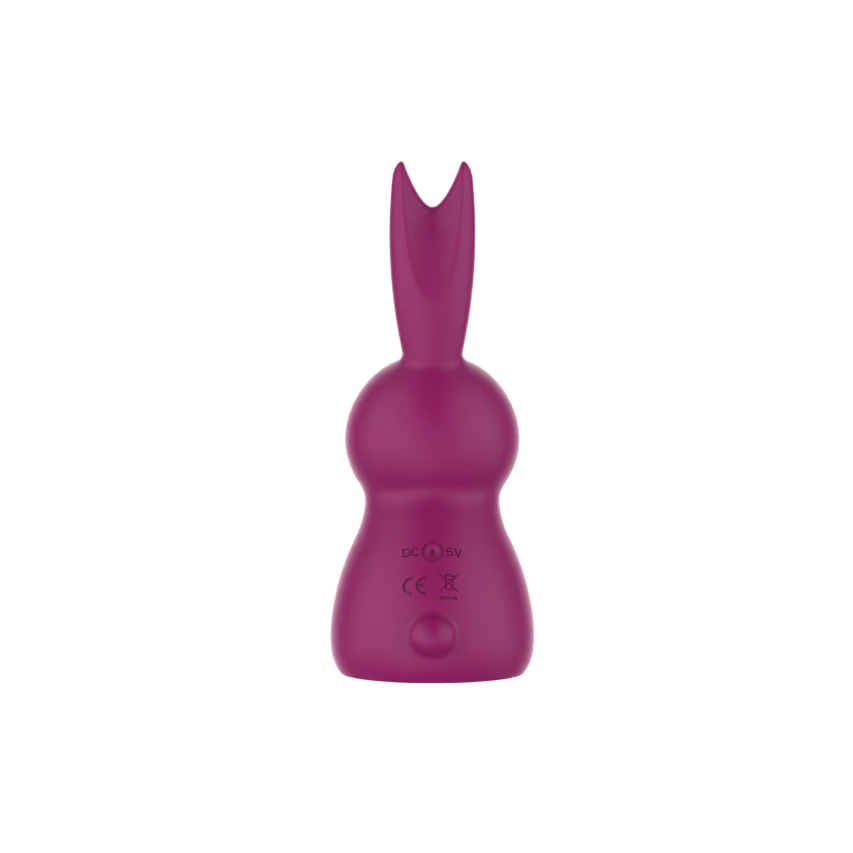
Love Bunny Suction Vibrator EVO-062
A rechargeable bunny-profile wellness device with separate suction and vibration controls.
Read product details