Ritual
Luma JournalCreating a pause that belongs to you: How to begin without overthinking it — September 2026
A pause does not need to be elaborate to matter. It can begin with one quiet question, a little privacy, and permission to stop when you want.
By milburn laycie Im·
01 / the note
Quick answer
A pause that belongs to you is a small amount of time shaped by your own comfort, privacy, and practical needs. It does not need a special routine, a long list of steps, or a particular outcome. You can begin with a few quiet minutes, one clear question, and permission to stop whenever the moment no longer feels useful. The point is not to perform self-care correctly. It is to make enough room to notice what you want, what you do not want, and what information would help. Overthinking often happens when a private moment is treated as a decision that must be completed perfectly. A gentler approach separates the pause from the decision. You can take time to read, reflect, tidy a private space, compare documented product information, or simply choose rest. Each of these actions can be enough. A useful pause gives you more choice, not more pressure.
02 / the note
Key takeaways
1. A meaningful pause can be short, practical, and unfinished. 2. Privacy, time, and boundaries can shape the pause without making it complicated. 3. You can separate information gathering from buying, using, or deciding. 4. A pause is successful when it makes the next step clearer or easier to defer.
03 / the note
Start with what is available today
It is tempting to wait for the perfect moment to begin a private routine. You may imagine a completely quiet house, an unhurried evening, a clear mood, and no competing tasks. Those conditions can be pleasant, but they are not required. A pause can begin with the time and privacy you actually have. It can be two minutes before bed, a short break after work, or a small moment when you decide not to scroll any further. Starting with what is available keeps the pause from becoming another standard to meet. You do not have to create an elaborate environment before you are allowed to check in with yourself. You can ask a simple question: what would make the next few minutes feel more comfortable? The answer may be to close a door, make a note, read one product page, or leave the decision for later. This is useful because everyday life changes. Work, shared living, travel, tiredness, and other responsibilities can affect how much time or privacy feels realistic. A pause that only works under ideal conditions will be hard to return to. A pause that fits an ordinary day is more likely to become a genuinely supportive option.
04 / the note
Let privacy set the shape
Privacy is not only about keeping something hidden. It is about having enough control over your environment and information to make a decision without unnecessary exposure. In a private pause, this might mean choosing a time when you are unlikely to be interrupted, keeping your device on a page you are comfortable viewing, or deciding that a question can wait until you have more space. There is no single version of privacy that suits everyone. Some adults prefer silence. Others prefer a routine that begins with reading, showering, walking, or making tea. Some want to keep personal shopping separate from shared spaces or shared accounts. The useful approach is to notice what makes you feel more at ease and let that guide the format. A private pause can also include a boundary around communication. You may decide that you will research independently before contacting support, or that you will ask only one practical question when you do. These choices keep the experience connected to your own pace rather than to an external expectation.
05 / the note
Choose one purpose, not a perfect plan
A pause can feel intimidating when it comes with too many instructions. Choosing one purpose is usually enough. You might choose clarity, comfort, information, or rest. Each purpose can suggest a small action without requiring a complete ritual. If the purpose is clarity, you might write down the one product detail that remains unclear. If it is information, you might read the manufacturer’s stated care guidance. If it is comfort, you might make your immediate environment a little quieter. If it is rest, you might decide that no further action is needed today. The purpose does not need to be productive in a visible way. It only needs to make sense for the moment you have. A single purpose is also easier to revise. You can begin by intending to research and decide that rest is a better choice. You can intend to compare products and realise that you need a clearer question first. Changing the purpose is not a failure of the pause. It is the pause doing its job: showing you what fits now.
06 / the note
Use information without turning it into urgency
Product information can be helpful when it answers a real question. It can become unhelpful when it is treated as a reason to decide immediately. If you are considering the Love Bunny Suction Vibrator EVO-062, use its product page for the documented details it provides, such as stated controls, materials, charging information, and care guidance. Read those details as information to compare with your own preferences, not as a promise that you need to act on. A useful pause can separate reading from choosing. You can look at a product page today and decide whether you want to return to it later. You can identify a missing detail and ask a practical support question another time. You can decide that the available information is enough to show that the product is not a fit. All of these outcomes preserve your decision freedom. Avoid filling in what a page does not say. If a feature or care requirement is important to you, look for official documentation or ask for clarification. A slower question is more useful than an assumption. The goal is to reduce uncertainty without creating a new obligation.
07 / the note
Build an easy exit into the moment
One reason people overthink a private routine is that beginning can feel like a commitment. An easy exit changes that. It means that you can stop without a reason, leave a question unanswered, close a tab, or return another day. When you know the pause can end simply, it is easier to begin. You can make the exit practical. Choose a small action that does not create extra work afterward. Read one section of a product page rather than opening ten. Write one question rather than a long list. Set aside a short amount of time instead of promising yourself an entire evening. These choices keep the moment manageable. The emotional exit matters too. Try not to judge the pause by whether it led to a decision. A pause can be useful because it clarified that you are tired, distracted, not ready, or satisfied with the information you found. Stopping can be a form of self-knowledge, not an unfinished task.
08 / the note
Notice the difference between curiosity and pressure
Curiosity tends to ask open questions. What information would help? What feels manageable? What would I prefer? Pressure tends to issue instructions. Decide now. Keep up. Make the most of this moment. Learning to notice the difference can make a private pause more protective. When pressure appears, name where it may be coming from. It could be a promotion, a social comparison, a habit of rushing, or an internal idea that a routine has to look a certain way. You do not need to solve the source immediately. Simply identifying it creates enough distance to return to your own question. Curiosity can coexist with caution. You can be interested in a product, a different routine, or a new source of information while also choosing to wait. Waiting does not mean the interest was not real. It means you are giving the interest enough room to become informed and genuinely yours.
09 / the note
Let practical care be part of the pause
Practical details can make a private routine feel easier to return to. If you are researching an item, consider how it would be cared for, charged, and stored according to the manufacturer’s guidance. If you already own an item, keep the official care information available and make storage choices that fit your privacy preferences. Care is not a demand to use something on a schedule. It is a way to keep future choices open. Knowing where an item belongs, how to maintain it, and where to find instructions can reduce the mental work of a future pause. It also keeps the focus on real information rather than on an imagined ideal routine. If the relevant care information is unclear, make that your one practical question. You do not need to solve every detail at once. A pause can be enough to identify what information is missing and where you might find it.
010 / the note
Review softly, without a score
A short review can help you notice what supports you, but it should not become a performance review. At the end of a pause, ask whether the moment felt clearer, more comfortable, or more complicated. You may notice that you prefer a different time of day, fewer choices, more privacy, or a more focused question. You do not need to record every answer. A private note can be useful, but a mental summary is enough. The point is to see patterns, not to create a streak. If a pause did not feel helpful, that is useful information too. You can simplify it, change the setting, or leave it for another time. Over time, a soft review helps the pause become more personal. It shows you which small details make it easier to begin and which expectations make it feel too demanding. That is more valuable than trying to follow a fixed script.
011 / the note
Keep the next step small
A private pause should not require a dramatic next step. You might decide to read a product page later, ask one support question, clear a small storage space, or take no action at all. Small next steps preserve the calm of the moment and reduce the temptation to overthink every possibility. If the next step feels large, make it smaller. Instead of comparing every option, choose one criterion. Instead of deciding whether to buy, decide whether you have enough information to continue researching. Instead of creating a routine, create a five-minute window. The smaller action often reveals the next useful question. A pause belongs to you when its size, timing, and purpose are allowed to change. It does not need to be impressive, regular, or visible to anyone else. It only needs to offer a little more room for your own judgment.
012 / the note
Frequently asked questions
### How long should a private pause last? There is no required length. It can take two minutes or an evening. The relevant question is whether you had enough time to notice your comfort level and make a choice without rushing. A short pause that gives you clarity can be more useful than a long routine that creates pressure. ### What if I do not know what I want from the pause? Begin with the smallest purpose: notice what feels supportive right now. You may discover that you want information, rest, privacy, or no action. Not knowing at the beginning is not a problem; the pause can help make the next question clearer. ### Can I research a product without intending to buy it? Yes. Reading documented product information can help you understand what matters to you. It does not commit you to a purchase. You can use the information to clarify your criteria, identify questions, or decide that an item is not suitable for your current routine.
013 / the note
A considered next step
Choose one five-minute pause this week and give it a single purpose: clarity, information, comfort, or rest. If you choose to review the Love Bunny Suction Vibrator EVO-062, look only at the documented controls, charging information, or care guidance that matter to your practical criteria. Then decide whether the next step is a question, a later review, or simply a pause. A small moment that respects your pace is enough to begin. Before you leave the moment, make one sentence available to your future self: today I learned that I prefer more time, less noise, a clearer question, or no decision yet. This can be kept in a private note or simply remembered. It turns the pause into a gentle reference point rather than a test. When you return, you do not have to start from zero or recreate the exact same conditions. You can use what you noticed and adjust. A routine becomes personal through these small revisions, not through pressure to be perfectly consistent. If the next pause only confirms that waiting feels right, that answer deserves the same respect as any other considered choice.
“Choose what belongs in your routine, at your own pace.”
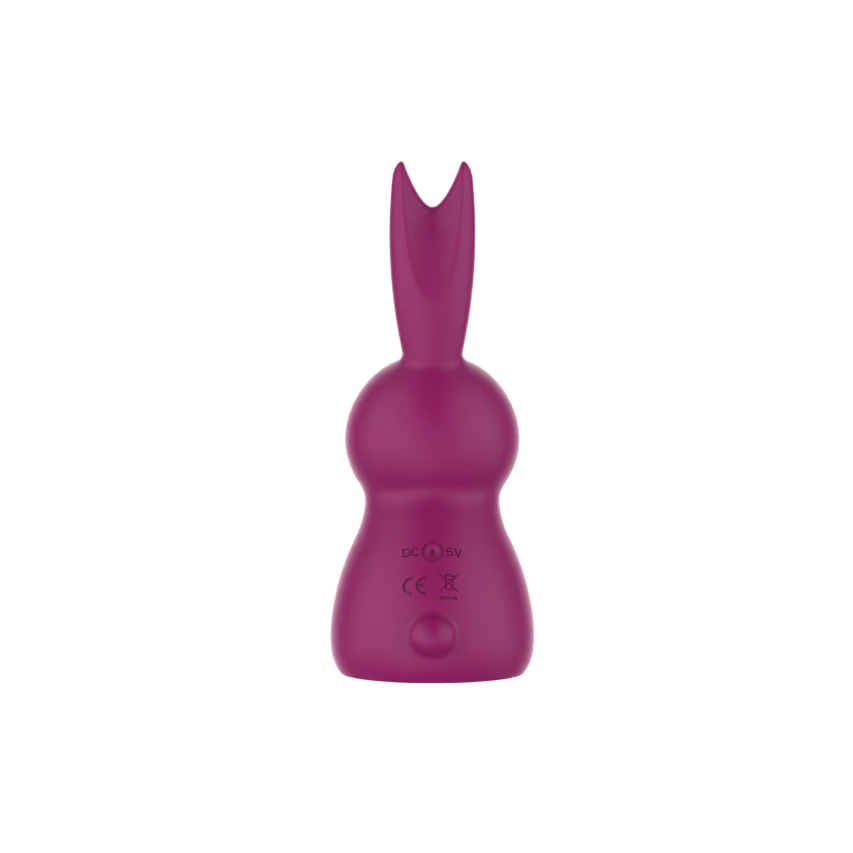
Related product
Love Bunny Suction Vibrator EVO-062
A rechargeable bunny-profile wellness device with separate suction and vibration controls.
Read product details