Privacy & Choice
Luma JournalDiscreet by Design: What a Private Shopping Experience Should Feel Like
A clear guide to private wellness shopping, from discreet browsing and product details to checkout, delivery, support, and personal boundaries.
By milburn laycie Im·
01 / the note
A genuinely private, clear, and respectful adult-wellness shopping experience starts with simple things: honest information about what you’re buying, predictable choices about how it arrives, support that listens rather than sells, and real control over what happens next. When these elements are present, privacy is not just a promise on a storefront page — it is something you can feel at every step.
In brief: privacy in this category is about clarity, consent, and control. You should be able to understand a product’s materials and basic specs, choose how it is billed and shipped, expect discreet handling, get help without pressure, and decide whether or when to retain an account or communication. These are the practical signs that a retailer respects your boundaries.
02 / the note
Personal comfort and the product guide: a necessary caveat
Everyone’s comfort level is different. What feels discreet and respectful to one person can feel invasive to another. That’s why product guides, clear labels, and readable FAQs matter as much as packaging and checkout options. A product’s specifications — the materials it’s made from, how it needs to be cleaned, whether it’s rechargeable or uses batteries, how long it runs on a charge — are practical facts that help you assess whether a product fits your habits and privacy preferences. This article explains what to expect and how to make choices, but it does not advise on what to use or whether any product is right for you. Read the product guide before you buy, consider your own boundaries, and choose the delivery and account settings that keep you comfortable.
03 / the note
What privacy actually looks like in practice
Privacy is often framed as a legal or technical promise, but at the shopping level it should feel practical and sensible. You should be able to: - See clear product information so you aren’t guessing what you will receive. - Choose how your purchase is charged and how much information is stored. - Receive an order in packaging that doesn’t broadcast what’s inside. - Ask questions and get support without feeling obligated to buy. - Control marketing preferences and account data without jumping through hoops. These are not exotic requests. They are everyday features you should expect from an adults-only, adults-first retailer. Make privacy a checklist item as you move through product pages, checkout, and post-purchase pages. If a retailer’s actions don’t match its language — for example, grand promises about discretion with confusing labels or hard-to-find return details — that gap is a practical signal to look elsewhere.
04 / the note
Clear product information: what to look for and why it matters
A private shopping experience starts with clear facts about the product. Basic, meaningful product details reduce the need for follow-up questions and protect your privacy by helping you make a confident choice the first time. Look for straightforward information on: - Materials. Knowing whether a product uses silicone, ABS plastic, metal, or other materials tells you about cleaning needs and storage considerations. If a product references food-grade silicone or similar descriptors, that indicates the type of material used rather than making health claims. - Power and runtime. Details such as rechargeable versus replaceable batteries, approximate charge time, and expected run time at common settings let you plan charging and storage without surprise. - Controls and functionality. Number of motors, intensity levels, vibration patterns, or simple on/off controls are practical facts that help you understand how the device may fit your routine. - Size and weight. Exact measurements and weight help you picture where a product will live in your home or travel bag. - Water resistance and cleaning notes. An IP rating or a description of water resistance clarifies whether a product tolerates splashes, hand washing, or immersion. That distinction guides safe cleaning choices. - Care and storage guidance. Readable directions for cleaning and storing the product protect the device and your privacy by reducing the need for customer-service exchanges. As an example of the kind of detail to expect, a rechargeable silicone wellness device might list materials as silicone plus ABS, describe dual motors and a handful of intensity or pattern options, provide a battery capacity and approximate charge and run times, include an IP rating for water resistance, and give dimensions and weight. Those facts help you decide whether a product fits your routine and storage needs without extra inquiries.
05 / the note
Checkout and payment: simple rules that respect privacy
Privacy during checkout is more than a checkbox. It’s about how your payment is recorded, how much of your personal information is required, and whether you can proceed without creating a persistent profile. Things to check before you finalize an order: - Guest checkout or minimal account requirements. If you prefer not to retain an account, a guest checkout is the cleanest option. If creating an account is required, look for simple account controls and easy privacy settings afterward. - Billing descriptor clarity. Some retailers use neutral billing descriptors that don’t disclose product category on your bank or card statement. Where that information is not explicit, ask about how purchases will appear on a statement. - Payment options. Multiple payment choices — credit or debit card, stored wallet, or other third-party processors — let you choose the option that best matches your privacy comfort. - Data minimization. Only provide the personal details that are necessary to complete the order. If a form asks for information that feels unrelated to shipping or payment, flag it. - Secure checkout cues. While lay descriptions of security are not guarantees, basic signs such as clear privacy policy links, visible contact information, and straightforward descriptions of data uses are useful. You have a right to ask how a retailer handles stored payment tokens, recurring billing, or order histories. If a pathway to delete an account or remove saved payment details is missing or hidden, that’s a privacy signal to question.
06 / the note
Packaging and delivery expectations: what discreet looks like
A discreet shopping experience includes predictable, neutral packaging and clear delivery options. The goal is that your order reaches you without calling attention to its contents. Key elements to expect or request: - Neutral outer packaging. Plain box or envelope branding that doesn’t reveal category or product specifics is standard for a discreet experience. - Clear shipping labels. The visible label should have your name and address without descriptive item wording. If this is not obvious from the retailer’s delivery information, ask what the box will say. - Delivery options. Trackable shipping is useful, but some people prefer delivery to a pickup location or parcel locker to avoid packages left at a door. Look for multiple drop-off choices when available. - No-invoice-in-package options. Many retailers offer packing with or without a printed invoice inside. If you don’t want an itemized receipt in the box, check the order options or make a note in special instructions. - Signature and release preferences. If a signature is required or optional, choose the setting that matches your comfort level for package visibility. Removing a signature requirement can speed delivery but may leave packages vulnerable at the door; consider carrier pickup points as an alternative. Do not assume delivery timing or returns policy from promotional language. Ask or check the retailer’s shipping and delivery pages for precise options. If you want extra discretion, contact customer service before purchase to confirm that packaging and invoicing will match your expectations.
07 / the note
Respectful support: how good assistance should behave
Privacy-friendly support is clear, patient, and optional. It answers questions without pressure and respects boundaries about what you must disclose. Expect support to: - Use neutral, professional language. The tone should be calm and matter-of-fact, avoiding sales pressure or intrusive questions. - Offer multiple contact channels. Email, chat, and phone are helpful so you can choose written or spoken contact. Written channels can be preferable if you want a record without a call. - Require minimal information. Support staff should only ask for what they reasonably need to find an order or answer a product question. - Protect your data. Agents should redirect you to secure methods for sharing payment or account details, rather than asking for full card numbers in chat or email. - Make privacy choices explicit. Support should tell you how to opt out of marketing, how to request invoice preferences, and how to manage account visibility. You should not have to justify your questions or feel pressured to provide unnecessary personal context. If a support interaction leaves you uncomfortable, it’s reasonable to stop the exchange and seek a clearer channel or escalate to a privacy or customer experience contact.
08 / the note
Control over the next step: returns, account settings, and communication
True privacy includes options for what happens after a purchase. You should be able to return or exchange within the retailer’s stated terms, manage marketing preferences, and clear your account history if you wish. Look for these capabilities: - Clear, accessible return and exchange information. The return policy should be easy to find and written in plain language. It should explain whether and how returns are accepted and whether return labels or packaging are provided. - Manageable account settings. If you have an account, you should be able to change your email and phone preferences, delete saved payment methods, and, if desired, deactivate or delete the account. - Control of order history and wish lists. Some retailers allow you to archive or hide order histories and wish lists from public or shared views. If you share devices or accounts, check whether lists can be private. - Easy unsubscribe and communication options. Opting out of marketing should be straightforward and take effect within a reasonable time. The option to pause emails without deleting an account is useful if you prefer a temporary break. - Discrete returns and exchanges. If a product needs to be returned, there should be a clear pathway to do so that does not require you to disclose reasons in public channels or post detailed notes. If any of these options are unclear, reach out to support before purchasing. A retailer committed to privacy will answer plainly and help you choose the settings that match your comfort.
09 / the note
Product care and realistic expectations
Understanding how to care for and store a product is a central part of privacy because it reduces unnecessary contact and keeps the item in good condition. A well-documented product guide gives you the facts you need to maintain the device without guessing. What to expect in a product guide and how to use those facts: - Materials and cleaning. The guide should list materials — for example, silicone and ABS — and give basic cleaning recommendations that match those materials. Different materials respond to different cleaners and temperatures, so follow the guidance provided. - Power and charging facts. If a product is rechargeable, the guide should list battery capacity, typical charge time, and an estimate of runtime, usually given at a commonly used setting such as high. For example, a device might be described as having a 250 mAh battery, with an approximate 1.5 hours of charging to full and around 50 minutes of run time at high speed. Those numbers help you plan charging and storage so the device is ready when you want it. - Controls and functionality. A guide that explains how many motors, intensity levels, and patterns are available makes it easier to test settings at home without long back-and-forth with support. For example, a product might advertise dual motors, three intensity levels, and seven patterns — these are functional details, not promises. - Water resistance and handling. IPX5-rated products tolerate water jets or splashes, but how that translates to cleaning depends on the manufacturer guidance. Follow the product guide for what cleaning methods are safe. - Size and weight. Dimensions and weight — such as a compact device that measures roughly 29 by 33 by 122 millimeters and weighs around 93 grams — tell you how the device will fit into storage or travel. If you travel often, a smaller, lighter product may suit your needs without drawing attention. - Storage and maintenance. Guidance about storing a device in a dry place, whether to remove batteries, and when to check seals or charging ports will help prolong life and reduce the need for repairs or exchanges. Product facts are not a substitute for personal preference. They are tools for choosing and maintaining an item in a way that minimizes surprise, additional contact with support, and potential privacy concerns.
010 / the note
Quick checklist for a private, clear, and respectful shopping experience
Use this checklist as you shop: - Read the product guide for materials, power, and care details before you add to cart. - Check for a guest checkout option or simple account controls if you prefer not to store data. - Review billing descriptor information or ask how the charge will appear on your statement. - Look for neutral packaging and confirm whether an invoice goes in the box. - Choose delivery options that match your privacy needs: parcel locker, pick-up point, or tracked home delivery with neutral labels. - Confirm signature and release settings for delivery if that matters to you. - Save support channels that allow written records (email or chat) if you prefer that over calls. - Review return policy and whether return labels are discreet and simple to use. - Set marketing preferences immediately after purchase to stop or pause emails. - Store product information and serial numbers in a private file if you might need them for warranty or support. If a retailer can’t answer these items or the answers are unclear, consider whether that mismatch affects your comfort level. It’s reasonable to walk away if you don’t feel your privacy is respected. Privacy is also about predictability: knowing what to expect reduces anxiety and gives you control over the entire experience.
011 / the note
A calm next step
If you’d like to know more about a specific item, read its product details and the retailer’s privacy and returns pages before buying. For example, when a retailer lists a product’s materials, motors, intensity options, battery capacity, charging time, runtime, water-resistance rating, size, and weight, those details give you the practical information needed to decide whether it fits your routine and storage preferences. You don’t need to commit or explain yourself when you ask for this information. A good retailer provides it openly, in plain language, so you can make an informed, private choice. If privacy is important to you, take a moment to review a product’s guide and the store’s checkout and shipping options. If everything aligns, proceed at your own pace. If not, explore other options or reach out to support to confirm details. You should always feel in control of what happens next. If you want to look at product specifications now, you can return to the Journal or the product page for the detailed facts that help you decide.
“Choose what belongs in your routine, at your own pace.”
Related product
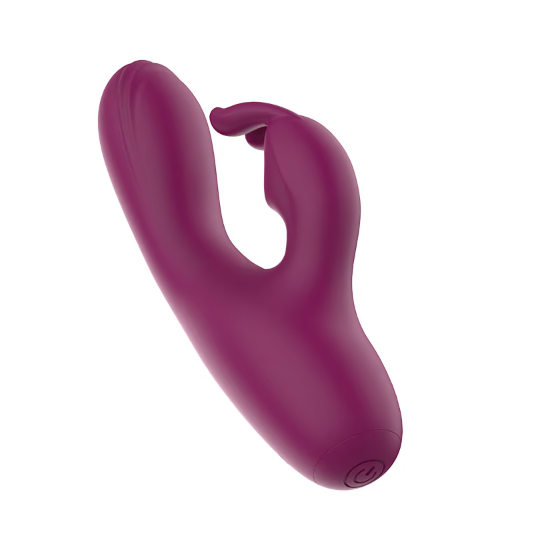
Rechargeable Silicone Wellness Massager A0158
A compact dual-motor wellness massager with soft-touch silicone and seven varied patterns.
Read product details