Ritual
Luma JournalLetting preference lead the next step: How to begin without overthinking it — September 2026
Preference is not an obstacle to a well-considered decision. It is the information that helps a private routine or product choice fit your actual life.
By milburn laycie Im·
01 / the note
Quick answer
Letting preference lead the next step means treating your own practical comfort, privacy, timing, and interest as valid decision information. Instead of asking what you are supposed to choose or how quickly you should decide, ask what fits your current circumstances. You may prefer a smaller routine, more documented product information, a quiet research session, or no action at all. Each answer can guide a thoughtful next step. Preference does not need to be dramatic or permanent. It can be a simple observation: I prefer fewer choices today. I want more time before I compare products. I value clear care instructions. I do not want to make a decision when I feel rushed. These observations create a calm path forward because they are based on your experience rather than an outside expectation.
02 / the note
Key takeaways
1. Preferences about privacy, time, information, and simplicity are useful decision criteria. 2. A preference can guide research without requiring a purchase or a fixed routine. 3. Official product information helps you compare facts with your personal priorities. 4. Changing your mind is part of making a considered choice.
03 / the note
Preference is practical information
People sometimes treat preference as less important than technical specifications or a long list of options. In reality, preference often determines whether a choice will fit into daily life. You may prefer a design with clear documentation because you dislike uncertainty. You may prefer to research in short sessions because uninterrupted time is limited. You may prefer to wait until you have a private moment. None of these considerations is superficial. A useful first question is what you want the next step to feel like. It might feel manageable, private, simple, informed, or unhurried. The answer can show you which details deserve attention. If simplicity matters, you may focus on documented controls and care guidance. If privacy matters, you may focus on storage and delivery information. If time matters, you may decide to research only one product page. This way of thinking reduces the pressure to adopt someone else’s priorities. It also makes product literacy more personal. Facts are important, but facts become useful when you can see how they connect to your own routine.
04 / the note
Begin with a single preference
You do not need a complete profile of every preference before you can begin. Choose one that feels most relevant today. For example, you might prefer not to make a purchase decision during a work break. You might prefer to have a clear official manual before considering a rechargeable silicone wellness massager A0158. You might prefer a shopping process with minimal marketing contact. One preference is enough to create a boundary. If you prefer clarity, do not continue past the point where product information becomes vague. If you prefer privacy, wait until you can use a device and location that feel comfortable. If you prefer a slower pace, set a time to return rather than forcing a decision. These responses are specific and manageable. Starting small matters because too many criteria can create another form of overthinking. A single preference keeps the next step clear without pretending that you need to solve the entire decision.
05 / the note
Distinguish preference from pressure
Preference usually sounds like a quiet statement of what fits. Pressure often sounds like a demand to prove, keep up, or decide immediately. The two can become tangled when product pages, promotions, social posts, or personal habits make speed feel important. Taking a moment to distinguish them can protect your choices. Ask whether the thought leaves room for change. I prefer to wait leaves room. I need to act now because everyone else has decided does not. Preference can be revised after new information; pressure makes revision feel like failure. When you notice pressure, you do not need to argue with it. You can simply return to a smaller question: what would be a respectful next step for me? That step might be closing the page, reading official documentation, asking one factual question, or doing nothing today. Preference is still present even when it leads to a pause.
06 / the note
Connect preferences to documented facts
Preferences work best alongside reliable product information. If you are considering the rechargeable silicone wellness massager A0158, use the official product page and supplied documentation to identify the charging method, included items, controls, and care instructions that are actually stated. Then compare those facts with the preferences you identified. For example, if you prefer a straightforward storage plan, look for the documented accessories and care requirements rather than assuming what will be included. If you value simple maintenance, read the manufacturer’s care guidance for the exact item. If you need time to understand a control layout, look for official instructions or images. A product page can inform a choice, but it should not replace your judgment. If an important fact is missing, preference may tell you what to do next. You may prefer to ask support, find the official manual, or postpone the comparison. Treating the missing detail honestly is more useful than completing the story with assumptions.
07 / the note
Let timing be a preference too
Timing is often treated as an external problem, but it can also be a preference. You may prefer to research in the morning, when you feel less rushed. You may prefer not to browse when other people are nearby. You may prefer to wait until you have a dedicated budget or a quiet evening. These are reasonable conditions for a personal decision. You can set a timing preference in a simple sentence: I will review this tomorrow for ten minutes. This creates an appointment with yourself without making the outcome mandatory. When the time arrives, you can still decide that it is not right. The purpose of the plan is to create an option, not a demand. If the timing never feels right, that may be information too. It can mean you need a different routine, a smaller question, or more distance from the decision. You do not need to force a moment into usefulness.
08 / the note
Choose the amount of information you need
Some people feel more comfortable after reading every available detail. Others prefer to start with a short list of essentials. Both approaches can be thoughtful when they are connected to a clear preference. The key is to decide what information is enough for the next step, rather than treating endless research as the only responsible choice. A simple information preference might be to understand charging, care, and storage before considering any product further. Another might be to read an official FAQ and stop there. If you need more information, add only the next question that matters. This prevents a comparison from becoming a search for impossible certainty. When information feels confusing, reduce the scope. Return to the product’s official documentation. Compare one point at a time. If the information still does not feel clear, allow yourself to pause. Clear decisions often begin with clear limits on how much you need to resolve today.
09 / the note
Make room for changing preferences
Your preferences can change because your schedule changes, your living situation changes, or you learn something new about what you value. A change does not mean that your earlier thinking was wrong. It means you have more information about yourself or your circumstances. You may initially prefer an item with many documented options, then realise that a simpler design is easier to understand. You may want to shop privately, then discover that a factual support question would reduce uncertainty. You may feel ready to decide and then choose to wait. These shifts are normal parts of a considered process. Try to use language that keeps change available. Instead of saying this is the only option for me, say this seems to fit my needs today. The second sentence respects what you know without locking you into it.
010 / the note
Build a decision around real routines
A product choice or personal ritual exists within an ordinary day. Think about the details that will remain after the initial interest: where an item would be kept, when you would read its care instructions, how you would locate the appropriate charging accessory, or how you would keep product information available. Your preferences about these details are meaningful. For the rechargeable silicone wellness massager A0158, the relevant questions should come from its official information and your own routine. Do the documented charging and care steps fit the space you have? Would you be comfortable following them? Is there a private storage solution that feels practical? You can answer some questions now and leave others for later. A routine is more likely to feel supportive when it does not demand a different life from the one you have. Preference helps you test that fit before you create an expectation.
011 / the note
Use a quiet comparison method
A quiet comparison method can keep preference visible. Make three columns in a private note: documented fact, my preference, and next question. Under documented fact, write only what the official product page or manual states. Under my preference, write what that detail means in your routine. Under next question, write only the one thing you need to know before deciding whether to continue. For example, a documented charging method may lead to the preference that you want to keep accessories together in a drawer. The next question may be where the official care instructions are located. This approach turns a broad decision into a small, factual, personal review. You can stop after one row. The method is not a worksheet you must complete. It is a way to prevent external language from becoming louder than your own priorities.
012 / the note
Allow no action to be an answer
A preference-led process must include the option of no action. You may research a category and decide that now is not the time. You may like some documented details and still prefer to wait. You may discover that the shopping process itself feels too demanding today. These outcomes are not wasted effort. No action can preserve money, attention, privacy, and future choice. It can also help you recognise that curiosity does not always need an immediate response. When you treat waiting as valid, you remove much of the pressure that makes personal decisions feel larger than they need to be. The next step does not have to be toward a product. It may be toward a clearer question, a more private time, a budget review, or rest. Preference can lead in any of those directions.
013 / the note
Review with kindness
After a research session or private pause, ask whether your preference was heard. Did you give yourself the time you wanted? Did you use information sources that felt trustworthy? Did you stop when the process became too busy or unclear? The answers can help you adjust without turning the review into a score. If your boundary did not hold, be curious rather than critical. Perhaps the research window was too long, perhaps a promotion caught you off guard, or perhaps you needed more privacy. You can modify one detail for next time. Small adjustments make the process more workable than a promise to do everything differently. Over time, these reviews create confidence in your own criteria. You learn that your preference is not a barrier to sound decisions. It is one of the clearest sources of guidance you have.
014 / the note
Frequently asked questions
### How do I know whether something is a preference or just a temporary mood? You do not need to decide immediately. Treat it as a current preference and see whether it remains useful after a pause. A temporary mood can still deserve respect, especially if it tells you that today is not a good day for a decision. ### Can preference matter more than a product feature? Yes. A documented feature only becomes useful if it fits your priorities. Clear care guidance, a manageable charging arrangement, privacy, and simplicity can matter more than a feature you do not expect to use. ### What if my preferences conflict with each other? Choose the one that protects your immediate comfort or practical needs first. For instance, if you want more information but feel rushed, choose time and privacy before adding more research. You can revisit the other preference later.
015 / the note
A considered next step
Choose one personal preference before your next research session: more privacy, clearer documentation, a smaller time window, a defined budget, or no purchase decision today. If you review the rechargeable silicone wellness massager A0158, write down only the official charging, care, or storage detail that relates to that preference. Then stop and decide whether your next step is a factual question, a later review, or no action. A preference-led choice becomes clearer when you allow it to remain yours from beginning to end. You may return to the same note later and find that a different preference matters more. That is not inconsistency. It is the normal adjustment of a private routine to real life.
“Choose what belongs in your routine, at your own pace.”
Related product
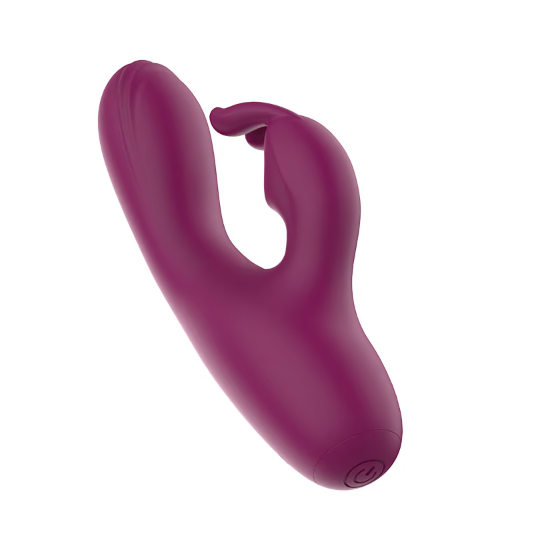
Rechargeable Silicone Wellness Massager A0158
A compact dual-motor wellness massager with soft-touch silicone and seven varied patterns.
Read product details