Ritual
Luma JournalThe Private Wellness Reset: A No-Pressure Routine You Can Make Your Own
A calm, practical guide to creating a private personal-wellness reset that starts with comfort, preference, and a pace that feels like your own.
By Milburn Laycie MJ·
01 / the note
A simple answer: create a private, no-pressure routine by making one small, repeatable practice that centers your comfort, respects your boundaries, and fits your daily life. Keep it optional, enjoy the control of choosing when and how, and treat it as a moment of self-care rather than a task.
In brief: a sustainable routine is private, paced, and flexible. Start with intention, secure a private space and time, prepare a few reliable items you like, move at a pace that feels right, and end with gentle aftercare. The goal is a steady habit that supports well-being without pressure. A clear caveat: everyone’s comfort level and preferences differ. This guide emphasizes choices, safety, and gradual experiment. Nothing here is medical advice. Read product details carefully if you include tools in your routine, and stop or adjust anything that feels wrong.
02 / the note
Start with intention, not pressure
A ritual that sticks begins with a tiny promise to yourself, not a performance standard. Instead of aiming for a particular outcome, set an intention such as “I will take ten minutes to notice my body,” or “I will try one soothing technique tonight.” The difference between an intention and a requirement is powerful: intentions are invitations, not deadlines. Begin by asking two simple questions: what do I want to feel after this practice, and how much time can I realistically spare? Keep answers specific and small. If you have three minutes, three minutes is enough. If you have thirty, design something different. The key is repeatability. A personal ritual that requires little setup and no external validation is far more likely to survive busy weeks and low-energy days. Record the intention somewhere private — a note on your phone, a drawer, a small notebook — so you can return to it when routines drift. Revisit the wording occasionally and allow it to evolve with you.
03 / the note
Privacy and space: make a small sanctuary
Privacy is the foundation of a no-pressure routine. You don’t need a special room, but you do need control over interruptions and a sense that the space is yours for the time you choose. Evaluate the physical and digital components of privacy. Physically, think about locking a door, using a do-not-disturb sign, or simply choosing a moment when household members are out or asleep. Soft furnishings, a folded blanket, or a towel over a guest bed can quickly transform a corner into a comfortable spot. Keep the lighting soft or adjustable; a dim lamp or a small candle can shift atmosphere without elaborate setup. Digitally, silence notifications. Put your phone on airplane mode, do-not-disturb, or leave it in another room. If you prefer background sound, preselect a short playlist so you aren’t tempted to browse during your ritual. Privacy is not just about secrecy; it’s about creating a reliable container where you can be present without surprises. Trust feels better when you can control re-entry. Decide in advance how you will wind down the practice so you can rejoin responsibilities without feeling rushed or embarrassed. A five-minute buffer between your ritual and the rest of your day reduces stress and supports consistency.
04 / the note
Comfort and consent: defining your boundaries
A private wellness routine is only humane when it respects your boundaries. Consent starts with you: what sensations are comfortable, what language do you use internally, and what limits do you set in advance? Make a simple checklist of comfort preferences. This can include things like firm or soft pressure, quiet or music, clothing on or off, and whether you want scented products in the space. If you use tools, note how long you prefer sessions to last and whether you want to alternate days or do a shorter daily touchpoint. Keep your checklist accessible and revise it as you learn. Practice giving yourself permission to stop at any point. A no-pressure routine removes “should” from your vocabulary and replaces it with “I choose.” That can be surprisingly difficult at first if you’re accustomed to meeting external expectations. Try a simple script: “I’m going to spend X minutes on this now. If it doesn’t feel right, I will stop.” Rehearsing that permission reduces anxiety and reinforces agency. If your practice ever involves another person, explicit consent and mutual boundaries are necessary. For solo rituals, consent is still crucial: slow down, check in with yourself during the practice, and honor discomfort without judgment.
05 / the note
Prepare tools and simple care: practical choices
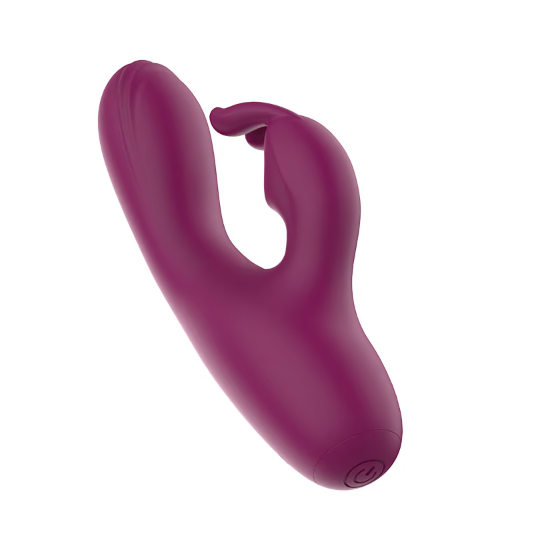
Tools can make a private routine easier and more pleasurable, but nothing is required. Select items that are durable, easy to clean, and feel trustworthy. Keep an essentials kit small: a soft towel, a water bottle, a clean cloth, and any device or product you prefer. Storing these items in one place reduces friction and removes the excuse of “I don’t have what I need.” If you choose a device, read its product details before use. For example, a commonly chosen option is the Rechargeable Silicone Wellness Massager A0158. Relevant facts for practical care: it is made from food-grade silicone and ABS, contains dual motors, offers three intensity levels and seven patterns, and runs on a rechargeable 250 mAh battery. Charging takes about 1.5 hours, and it provides approximately 50 minutes of use at high speed. The device is IPX5-rated for water resistance, weighs about 93 g, and measures 29 × 33 × 122 mm. Those specifications help with planning: how long to charge, how long a session might last, and how to clean and store it. Cleaning is an essential part of preparation and aftercare. For silicone and ABS items, use warm water and a mild soap or a product-specific cleaner, rinse thoroughly, and allow to air dry on a clean towel. For an IPX5-rated device, water resistance allows for surface washing and splashes but does not mean it’s fully submersible; follow the manufacturer’s cleaning recommendations. Keep charging ports dry and covered when not in use, and check for wear on cords or seals before use. Most devices benefit from being stored in a soft pouch or drawer away from direct sunlight and high heat. Batteries and charging matter for privacy too. A small, rechargeable device eliminates the need to buy or store disposable batteries and reduces unexpected interruptions. Note the charging time and approximate operating time so you can plan sessions without guessing. If you prefer not to use a device, simple alternatives — a warm compress, a handheld massage tool, or mindful touch — are equally valid.
06 / the note
Pacing and timing: build a routine that fits your life
Sustainable routines are brief, repeatable, and forgiving. Decide on a frequency that feels manageable. Many people start with short, daily rituals: five to ten minutes of intentional touch, breathwork, or sensory focus. Others prefer longer sessions a few times per week. Both approaches work. The important part is not the length but that the practice is consistent enough to build familiarity with your responses. Experiment with micro-sessions. Two or three minutes of focused attention can recalibrate your nervous system and teach you what you like. Use a timer with a gentle alert so you aren’t clock-watching. Timers also help remove the temptation to prolong a session beyond comfort simply because time is available. If you’re including a device with multiple intensities and patterns, use the first few sessions for exploration rather than goal-achievement. Try each intensity level briefly and notice which pattern and pressure you prefer. Allow yourself to switch settings mid-session if something becomes uncomfortable or less appealing. Over time you’ll develop a go-to setting that fits your mood that day. Think in terms of blocks: preparation (2–5 minutes), active practice (5–20 minutes), and aftercare (2–10 minutes). The entire ritual can fit comfortably within twenty minutes for many people, and that timeframe is easy to protect in a daily schedule. If you have less time, prioritize one aspect — preparation, active attention, or aftercare — and shorten the others.
07 / the note
Sensory choices: textures, sounds, light, scents
Your senses shape how private and restorative a ritual feels. Texture provides immediate comfort: soft sheets, a plush towel, or the smooth feel of a silicone tool can ground you. If you use an item like the Rechargeable Silicone Wellness Massager A0158, the food-grade silicone surface tends to feel smooth and nonporous — attributes that many people find easy to maintain and clean. Combine textures thoughtfully so your environment supports relaxation rather than distraction. Sound is a privacy and pacing tool. Silence is a valid choice, as is a familiar playlist or gentle white-noise app. If music helps you relax, create a short playlist you won’t need to curate each time. If you prefer guided practices, select one with a voice and tempo that match your needs tonight. Earbuds can increase privacy, especially in shared living spaces, but they also cut ambient noise that might be useful for safety; balance those factors based on your situation. Light controls mood. Dim lighting, a covered lamp, or a small candle can make a space feel intimate. If you use candles, ensure they are placed safely away from fabrics and that you extinguish them before leaving the room. A soft nightlight or a string of low-wattage bulbs can be an alternative that is both cozy and safe. Scent supports memory and relaxation but can be irritating for some people. If you like scent, choose a subtle option — a small spray, a single drop of essential oil in a diffuser, or a lightly scented candle. Avoid layering strong smells, and keep a neutral unscented option available in case of sensitivity. For tools that contact skin, avoid applying scented oils directly unless they’re specifically formulated for that use and compatible with the materials involved.
08 / the note
Aftercare and gentle transitions
How you leave a ritual matters as much as how you begin it. Aftercare is the practice of reorienting to your surroundings and honoring the state you’re in. Keep aftercare simple and nurturing. Start with a short pause. Lie still for a minute, breathe, and notice any changes in tension or mood. Hydrate. A sip of water can help the body physically settle. Apply a moisturizer if your skin feels dry, or a warm compress if that feels comforting. Clean and store any tools you used, following the manufacturer’s care guidance. For silicone and ABS items, wash with warm, soapy water, rinse, and allow to air dry. When a device is IPX5-rated, take care to dry the charging port and store it in a dry place. Recharge the device as needed so it’s ready for your next session, but avoid charging or storing in damp areas. If a device uses a small battery like 250 mAh, note charging intervals so you don’t find it low when you want to use it. Record one sentence about the session if you find that helpful: what you liked, what you’d change. This doesn’t have to be formal journaling — a single line in a notes app works. Over time you’ll see patterns that help you refine pacing and choices. Plan a smooth re-entry: a short buffer between your ritual and obligations, a light snack if you need energy, maybe a change of clothes to mark the transition. Gentle aftercare reduces the tendency to measure the ritual’s value by productivity afterwards.
09 / the note
Troubleshooting and adaptation: when to pause or adjust
A no-pressure routine requires flexibility. Expect some sessions to feel flat, rushed, or simply off. That does not mean the routine has failed. It means you have data. If you feel discomfort, stop. If an item causes irritation, discontinue its use and check for damage. For devices, inspect surfaces and seams; for skin reactions, consider whether a new product or lubricant might be the cause. Avoid using anything that burns, pinches, or creates pain beyond your chosen comfort level. If you find you’re skipping sessions, scale back. Reduce the ritual to a simpler form — even one minute of focused breathing — and commit to not judging yourself for the shorter practice. Routines ebb and flow with life; an elastic approach preserves them through changes. If noise, roommates, or timing regularly interfere, adjust scheduling or privacy tactics. Consider early morning, lunch breaks, or a locked bathroom for a brief check-in. If privacy is impossible, design a non-device practice that feels private even in semi-public spaces, such as a short mindfulness exercise or a stretch routine. When you decide to make a change, try it for a week before revising again. Small iterative experiments produce reliable insights without pressure.
010 / the note
Keep boundaries and consent front of mind
Privacy is relational, and boundaries are communicative. If you live with others, a brief conversation about your need for private time can reduce misunderstandings. You don’t need to share details; setting a clear expectation — for example, “I’ll be unavailable from 10:00 to 10:20” — respects both your privacy and household dynamics. For personal boundaries, write a short pre-ritual affirmation you can repeat if you feel pressured. It might be, “This time is mine,” or “I choose this for myself.” These phrases reassert consent and help you re-center if guilt or hesitation arises. If another person is part of your practice, obtain explicit consent each time and check in about comfort and signals to pause. Consent is ongoing and can be withdrawn at any moment. If you ever feel coerced or unsafe in any context, prioritize your safety. Leave the situation, seek a safe space, and consider trusted support. Your wellbeing comes before any ritual.
011 / the note
An unpressured closing and an invitation
A private wellness reset is a small, self-respecting practice. It’s not about perfection, metrics, or external proof. It’s about carving out a reliable place to notice yourself and practice care with discretion and choice. If you’re curious about tools, review product details and care instructions before adding anything to your routine. For example, the Rechargeable Silicone Wellness Massager A0158 is one option among many; its product facts — food-grade silicone and ABS construction, dual motors, three intensity levels, seven patterns, a rechargeable 250 mAh battery with about 1.5 hours charging time and roughly 50 minutes of high-speed use, IPX5 water resistance, and a compact 93 g weight at 29 × 33 × 122 mm — can help you decide if it fits your preferences and storage needs. But remember: no device is required. The practice is yours to shape. Return to this Journal whenever you want a reminder, a small refresh, or an easy prompt to try a micro-session. A low-pressure, private routine should make your life easier, not more complicated. Keep it simple, keep it kind, and let it evolve with you.
“Choose what belongs in your routine, at your own pace.”
Related product
Rechargeable Silicone Wellness Massager A0158
A compact dual-motor wellness massager with soft-touch silicone and seven varied patterns.
Read product details