Product Literacy
Luma JournalWhat a considered product detail really tells you: A clear, non-technical guide — August 2026
A considered product detail is not a promise to buy. It is a practical clue that helps you decide what deserves a closer look.
By milburn laycie Im·
01 / the note
Quick answer
A considered product detail tells you something useful when it is specific enough to check, relevant enough to compare, and clear enough to understand without specialist language. It may describe a material, a control, a charging method, a care instruction, or a delivery policy. It does not tell you how you must feel, what will suit every person, or whether you should decide immediately. The best use of product information is to turn a vague impression into a practical question. Reading details well is a skill, not a personality trait. You do not need to be an expert to compare what a page says with what you need. Start by separating facts from atmosphere. Facts can usually be checked on the page or with support. Atmosphere may help you understand a brand’s tone, but it is not a substitute for information. When a detail answers a real question you have, it earns attention. When it creates pressure without clarity, it can be set aside.
02 / the note
Key takeaways
1. Product details are most useful when they answer a practical question you already have. 2. Specific information can be compared; broad promises and assumptions cannot. 3. Clear care, controls, materials, and support information matter more than an urgent sales message. 4. A product page can support a choice, but it cannot make the choice for you.
03 / the note
Read for the decision in front of you
A product page can contain a great deal of information, but not every detail matters equally to every reader. The easiest way to make it useful is to begin with the decision in front of you. Are you deciding whether an item will be easy to store? Are you comparing controls? Are you trying to understand how charging or care may fit into your life? Once the question is clear, the page becomes easier to read. Without a question, it is easy to scroll from one attractive phrase to another and finish with a strong impression but little clarity. A decision question gives the information a job. For example, someone who values simple upkeep can look for documented care guidance. Someone who prefers fewer moving parts can look for a straightforward description of controls. Someone who wants more privacy can examine how a seller describes delivery, support, and account communication. This does not mean every choice should be reduced to a checklist. Feelings and personal preferences still matter. The point is to give those preferences useful information to work with. A page that helps you understand the practical shape of a choice can reduce noise. A page that only tells you that something is exciting, essential, or transformative may still leave the real questions unanswered.
04 / the note
Separate documented facts from persuasive language
Product writing often combines factual details with a brand’s point of view. Both have a place, but they do different jobs. A documented fact identifies something that can be checked: a listed material, a stated charging method, a specified control, or a care instruction. Persuasive language describes a possible mood or benefit in broad terms. It may be pleasant to read, but it should not be mistaken for a guarantee. A practical reading habit is to pause whenever a statement sounds broad and ask, “What on this page supports that idea?” If the page describes a feature clearly, you can decide whether the feature matters to you. If the page uses a general phrase without explaining what it refers to, treat it as an impression rather than evidence. This is not cynicism. It is a way to keep your decision grounded in information you can actually use. The same principle applies to reviews, images, and social posts. They can show how another person described an experience, but they cannot establish what will feel right for you. Your circumstances, comfort, expectations, and routine are your own. A product detail is more valuable when it gives you a way to compare options on your terms instead of asking you to borrow someone else’s conclusion.
05 / the note
Look for information that affects everyday use
The most useful product details often concern ordinary moments. How will an item be charged? Where will it be stored? What care guidance is provided? Are the controls explained in a way that feels clear? Does the product page identify the information you would need before making a decision? These questions are less dramatic than a headline, but they are often the ones that shape whether a product feels manageable after checkout. When reviewing the Rechargeable Silicone Wellness Massager A0158, focus on the product page’s documented information rather than filling gaps with assumptions. Read the stated materials, controls, charging information, and care guidance. Notice whether the description is specific enough for you to understand what maintaining and storing the item may involve. If a practical question remains unanswered, use available support before treating the uncertainty as a reason to guess. Everyday-use information also includes the support around a purchase. A clear path for product questions, an understandable policy, and a straightforward checkout process can be meaningful details. They do not prove that an item will suit you, but they can affect how confident you feel while making a choice. A considered purchase includes the experience around the object, not only the object itself.
06 / the note
Use three comparison criteria, not twenty
A long list of criteria can make a simple choice feel impossible. A shorter list helps you notice what actually matters. Choose three practical criteria before opening multiple tabs. They might be ease of care, control clarity, and discreet storage. Another person might choose documented materials, charging method, and support access. There is no universal list; the right criteria are the ones connected to your routine. Then compare the same details across the products you are considering. If one page explains its controls clearly and another does not, that is useful information. If one item has care guidance that feels manageable and another leaves you uncertain, that matters too. The goal is not to award points to the most impressive page. It is to identify the option that gives you the clearest practical fit. A three-criterion approach also makes it easier to pause. If neither option meets your most important needs, you do not need to force a winner. You may need more information, a different category, or no purchase at all. This is one reason clear comparison standards are helpful: they give you permission to stop when the available options are not convincing.
07 / the note
Let care guidance carry real weight
Care information is sometimes treated as an afterthought, but it is part of what a product detail tells you. An item that seems appealing in the moment may not suit a routine if its care expectations feel unclear or inconvenient. Before buying, find the manufacturer’s stated guidance on cleaning, drying, charging, and storage. Keep in mind that care instructions are specific to a product; broad internet advice should not replace the directions supplied for the item you are considering. Clear guidance helps you plan for the ordinary life of an item. It tells you what information the brand considers important after purchase and whether that information is easy to access. If the guidance feels incomplete, asking a practical question is reasonable. A thoughtful seller should be able to direct you to documented instructions or explain where to find them. Care also helps keep a purchase in proportion. A product is a tool that should fit within a wider routine of privacy, comfort, and choice. It does not need to be used constantly to justify its place. Knowing how to care for it simply keeps your options open and reduces the chance that an unclear practical detail will create pressure later.
08 / the note
Notice whether the controls are explained plainly
Controls are a good example of a detail that should be understandable without exaggerated language. A page does not need to tell you what you will experience. It should tell you what the controls are, how they are described, and where relevant instructions can be found. Plain explanations allow a reader to judge whether a product seems more or less complicated than they prefer. Clarity is especially valuable when you are new to a product category or simply want a low-pressure decision. You might prefer a more focused design with fewer stated functions, or you may be comfortable learning a broader set of options. Neither preference is more advanced. It is simply a question of what feels easy to understand and realistic to maintain. If the controls are not described clearly enough for you to explain them back in your own words, treat that as a signal to slow down. You can look for product documentation, contact support, or choose not to proceed. A considered product detail should reduce uncertainty. It should not turn basic practical questions into a puzzle.
09 / the note
Treat privacy as product information too
Privacy is not limited to the item itself. It can include the way product information is displayed, the checkout steps you are asked to complete, the messages a store sends, and the packaging or delivery information a seller states. For many adults, these details affect whether shopping feels comfortable enough to continue. Read privacy-related information with the same calm attention you give materials or controls. What details are required to make a purchase? Where can you find support without oversharing? Does the store describe delivery and account communication clearly? These are practical questions, and their answers can help you decide whether a retailer fits your expectations. Privacy standards vary by person and place. Rather than assuming a particular policy will feel right, identify your own baseline. You may want limited notifications, clear delivery information, or a support channel that allows concise questions. Once you know the baseline, you can compare a store’s stated practices with it. That is a more useful approach than relying on a general promise that everything will be discreet.
010 / the note
Avoid filling in what the page does not say
One of the most valuable consumer skills is knowing when information is missing. A polished page can make an item seem familiar even when its practical details remain vague. When that happens, the mind often supplies the missing information from assumptions, trends, or other products. This can create disappointment later because the imagined detail was never actually documented. Instead, make a short list of unanswered questions. Is the material described? Are care instructions available? Are the controls explained? Is the relevant support path clear? If the answer to an important question is no, you can contact the seller, search for official documentation, or leave the decision open. There is no prize for deciding with incomplete information. This approach is useful internationally because it does not depend on a particular market or platform. It asks only that product claims be treated as claims until they are supported by clear documentation. It also keeps the focus where it belongs: on whether the available information is sufficient for you, not on whether a page looks convincing at first glance.
011 / the note
Build confidence through a slower final check
Before checkout, give yourself a short final review. Read the title, the relevant product details, the care guidance, and the policy or support information that matters to you. Then ask one direct question: Do I understand enough to make this choice without inventing the rest? If the answer is yes, you can proceed at your own pace. If the answer is no, the useful next move may be to pause. A slower final check does not make shopping joyless. It can make it more personal. You are not trying to eliminate all uncertainty from life; you are trying to avoid turning uncertainty into pressure. The goal is a decision that feels informed enough, manageable enough, and clearly connected to your own standards. Over time, this habit becomes easier. You learn which details matter most to you, which phrases tend to be vague, and which questions help you feel clear. That is what a considered product detail can really offer: not an answer for everyone, but a better starting point for your own answer.
012 / the note
Frequently asked questions
### Which product details should I read first? Start with the details that affect your everyday routine: documented materials, controls, charging or power information, care guidance, storage considerations, and accessible support. Then add any personal criteria that matter to you, such as privacy or simplicity. There is no need to read every line with equal weight. ### What should I do if a product page is unclear? Do not assume the missing detail. Look for official documentation or contact the seller with a concise practical question. If the answer remains unclear, it is reasonable to delay the decision or choose a product whose information is easier to understand. Clear information is part of a considered shopping experience. ### Does a more detailed page always mean a better product? Not necessarily. A longer page can still be vague, and a shorter page can be clear about the few details that matter. Look for relevance and specificity rather than length. The useful page is the one that helps you answer your practical questions without relying on assumptions.
013 / the note
A considered next step
Open one product page with three criteria in mind. For the Rechargeable Silicone Wellness Massager A0158, you might review the documented controls, care guidance, and charging information, then decide whether those details fit your preferences. If the page leaves an important question unanswered, make a note of it and pause. A clear decision does not require urgency; it requires enough useful information to feel like your own.
“Choose what belongs in your routine, at your own pace.”
Related product
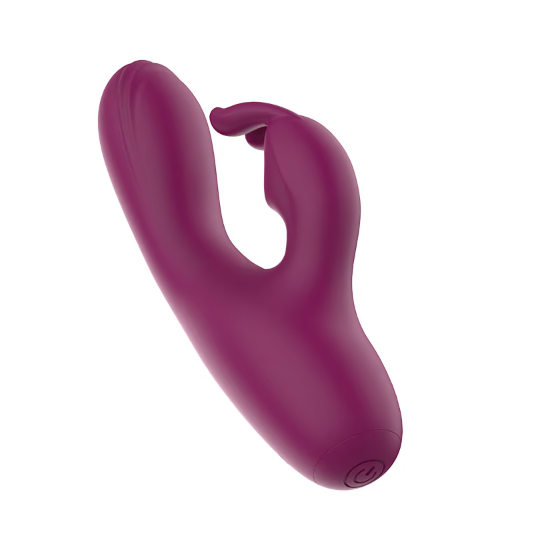
Rechargeable Silicone Wellness Massager A0158
A compact dual-motor wellness massager with soft-touch silicone and seven varied patterns.
Read product details